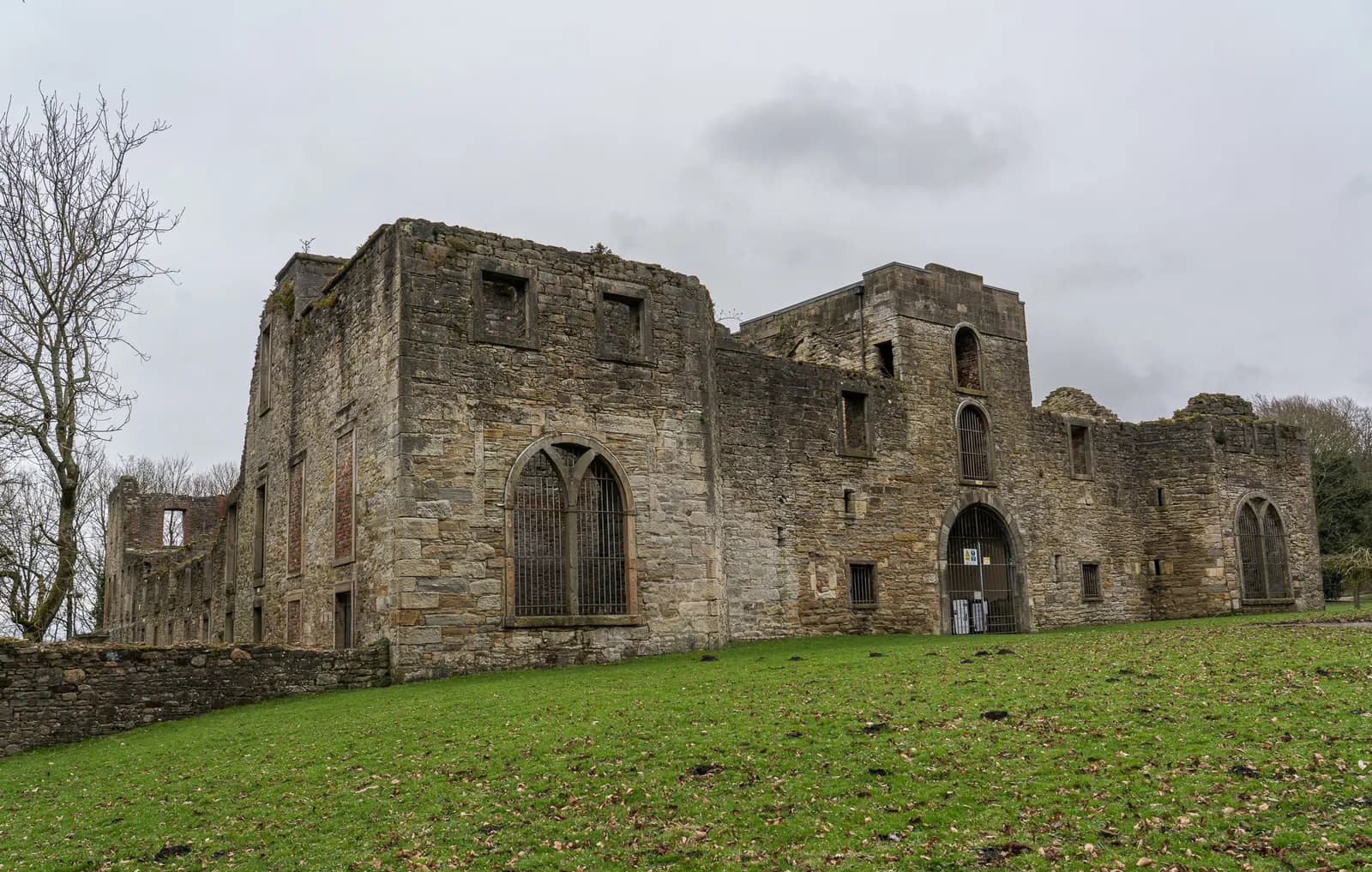
Stand by the ruins of Workington Hall on a clear evening and you can see most of the town's story from one spot. The Derwent runs below on its way to the harbour. The Solway lies beyond, with Scotland on the far shore. The Hall itself, roofless now, has been a fortified house, a family seat and a refuge for a queen, and since 1946 it has belonged to the town.
The Romans on the coast
The story starts just north of the town, at Burrow Walls near Seaton. In the 2nd century the Romans built an auxiliary fort here, one of a chain of defences running down the Cumbrian coast from the end of Hadrian's Wall, and it was occupied again in the 4th century. Its Roman name may have been Magis, though nobody can be sure: the only clue is a late Roman list of military posts, and no inscription has confirmed it.
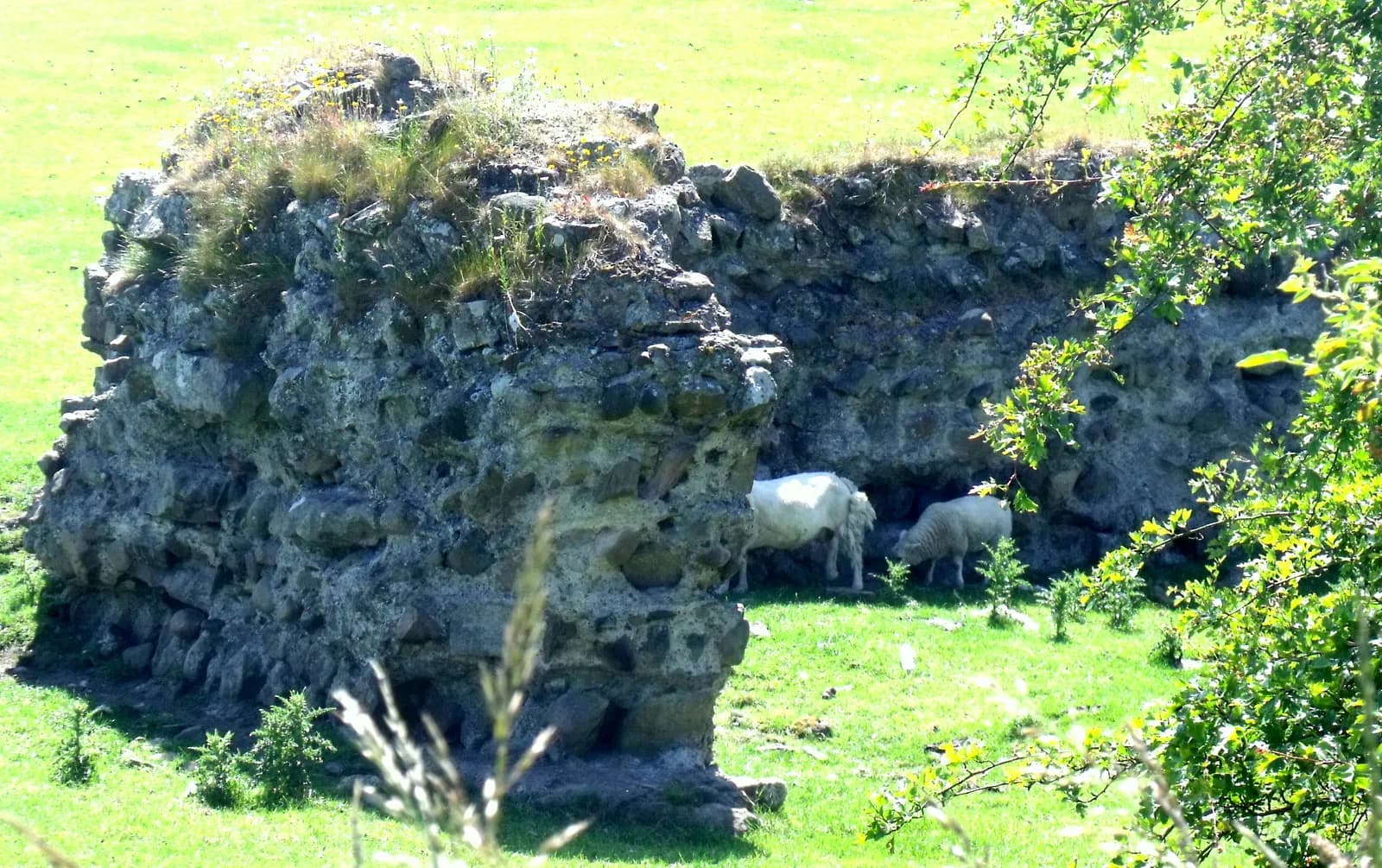
What stands there today isn't Roman at all. The L-shaped fragment of wall, up to three metres high, belongs to a medieval hall-house built with stone taken from the fort. Erosion and the railway have since cut into the site, which is now a scheduled monument.
The Curwens and their Hall
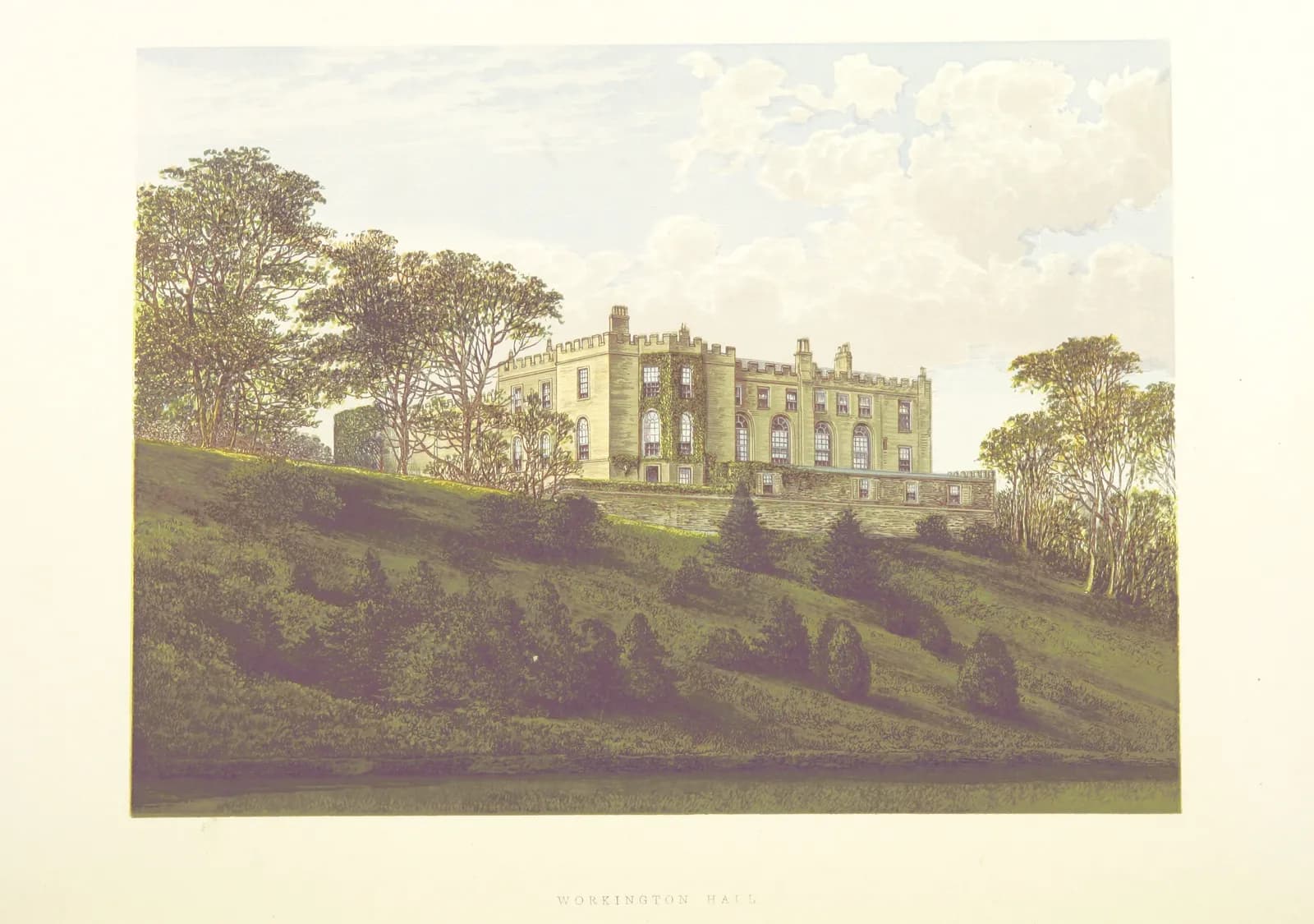
For about seven hundred years, Workington's story was bound up with one family. The de Culwens, later the Curwens, held the manor from the early 13th century. On 4 March 1380 Richard II granted Gilbert de Culwen a licence to crenellate, royal permission to fortify his house, and the pele tower at Workington grew into one of the great houses of Cumberland.
Between 1782 and 1789 the architect John Carr of York remodelled it for John Christian Curwen. The family left in 1929, and in 1946 a Curwen descendant, Isabel Chance, passed the Hall to Workington Council. Troops were billeted there during the Second World War, a fire followed, and in the 1970s the council took the roof off and kept it as a ruin. It is listed at Grade I and is on Historic England's Heritage at Risk register.
A queen at the door
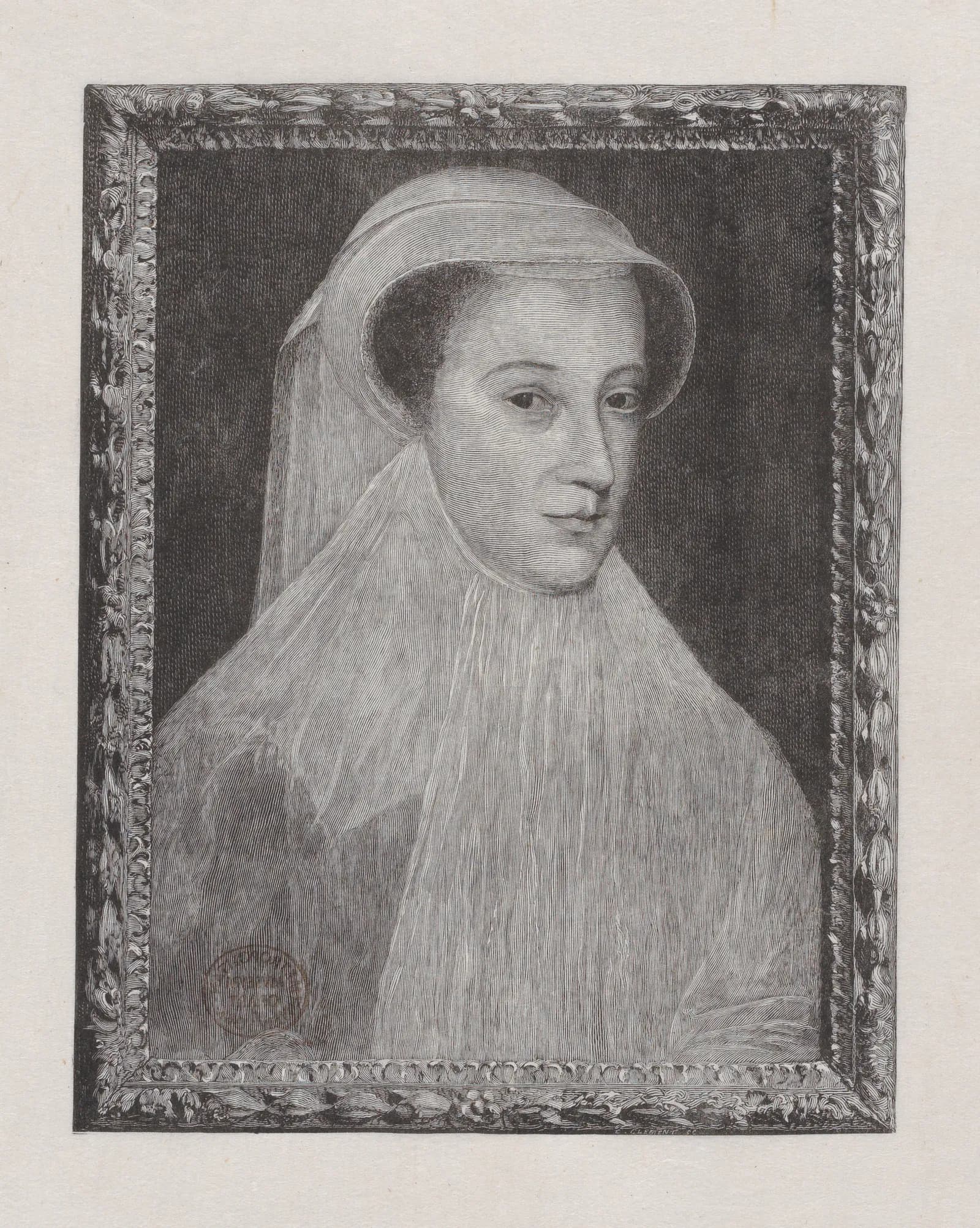
Workington's most famous visitor arrived by fishing boat. On 16 May 1568 Mary, Queen of Scots, beaten at the Battle of Langside three days earlier, crossed the Solway from Dundrennan and landed at Workington. Sir Henry Curwen was away from home, but his household took her in and she spent the night at the Hall. The next day, 17 May, she wrote from Workington to Elizabeth I.
She moved on to Cockermouth and on 18 May was escorted to Carlisle. She never saw Scotland again, and spent the rest of her life as Elizabeth's prisoner.
The Curwens kept a souvenir, or so the story goes. An agate cup known as the Luck of Workington Hall was said to be Mary's gift to the family. The link to Mary rests on family tradition rather than any record, and the cup went to auction at Sotheby's in 2022.
Coal, ships and the sea
By the early 18th century Workington was shipping coal from the Curwen pits. John Christian Curwen (1756 to 1828), MP for Carlisle and later for Cumberland, pushed both the mines and farming forward, and his model farm at Schoose drew visitors keen on new agricultural methods.
Mining under the coast came at a terrible cost. On 28 July 1837 the sea broke into the Isabella, Union and Lady pits at Chapel Bank. Accounts put the toll at 26 or 27 men and boys, along with 28 horses, and their bodies were never recovered.
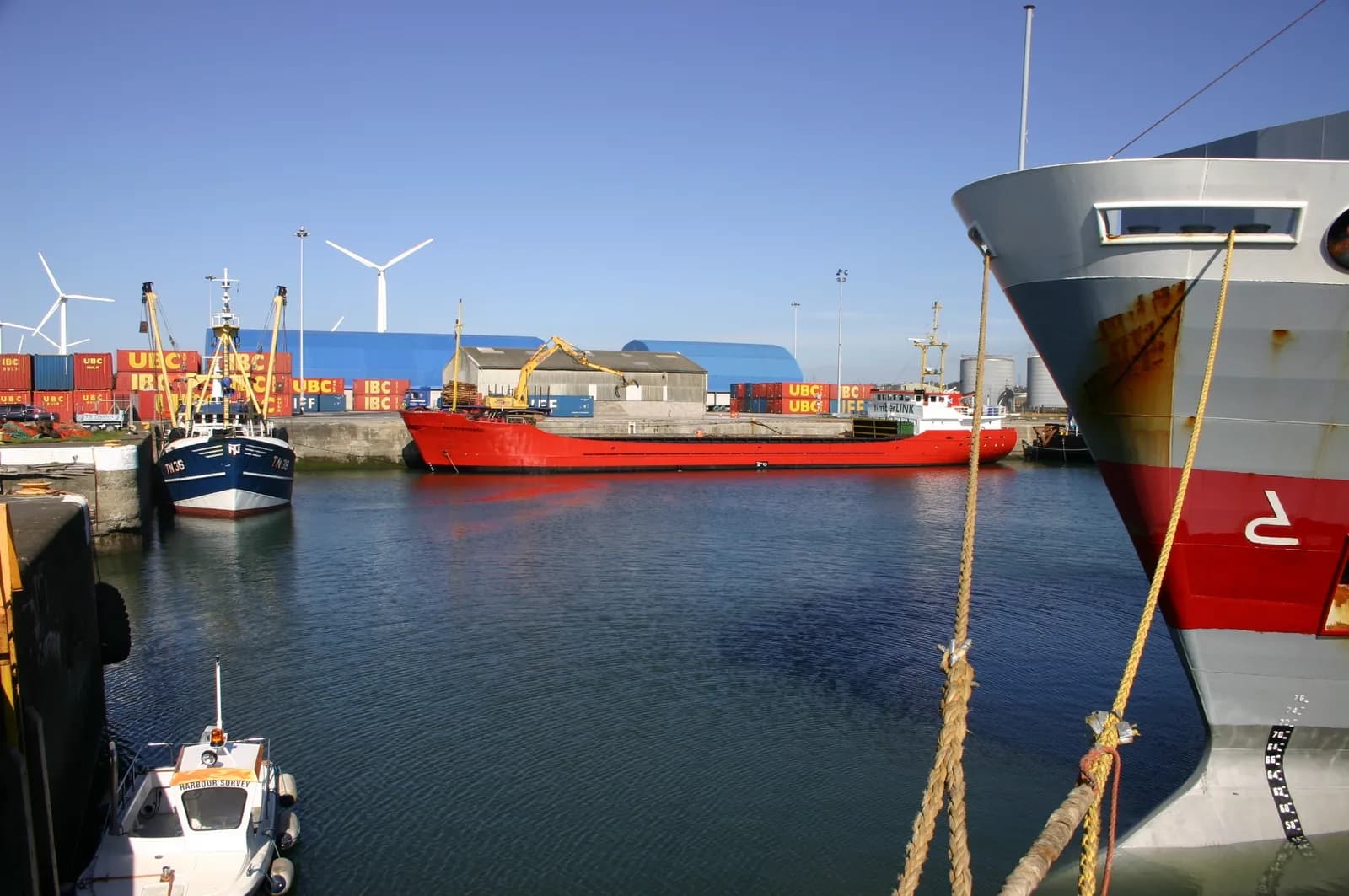
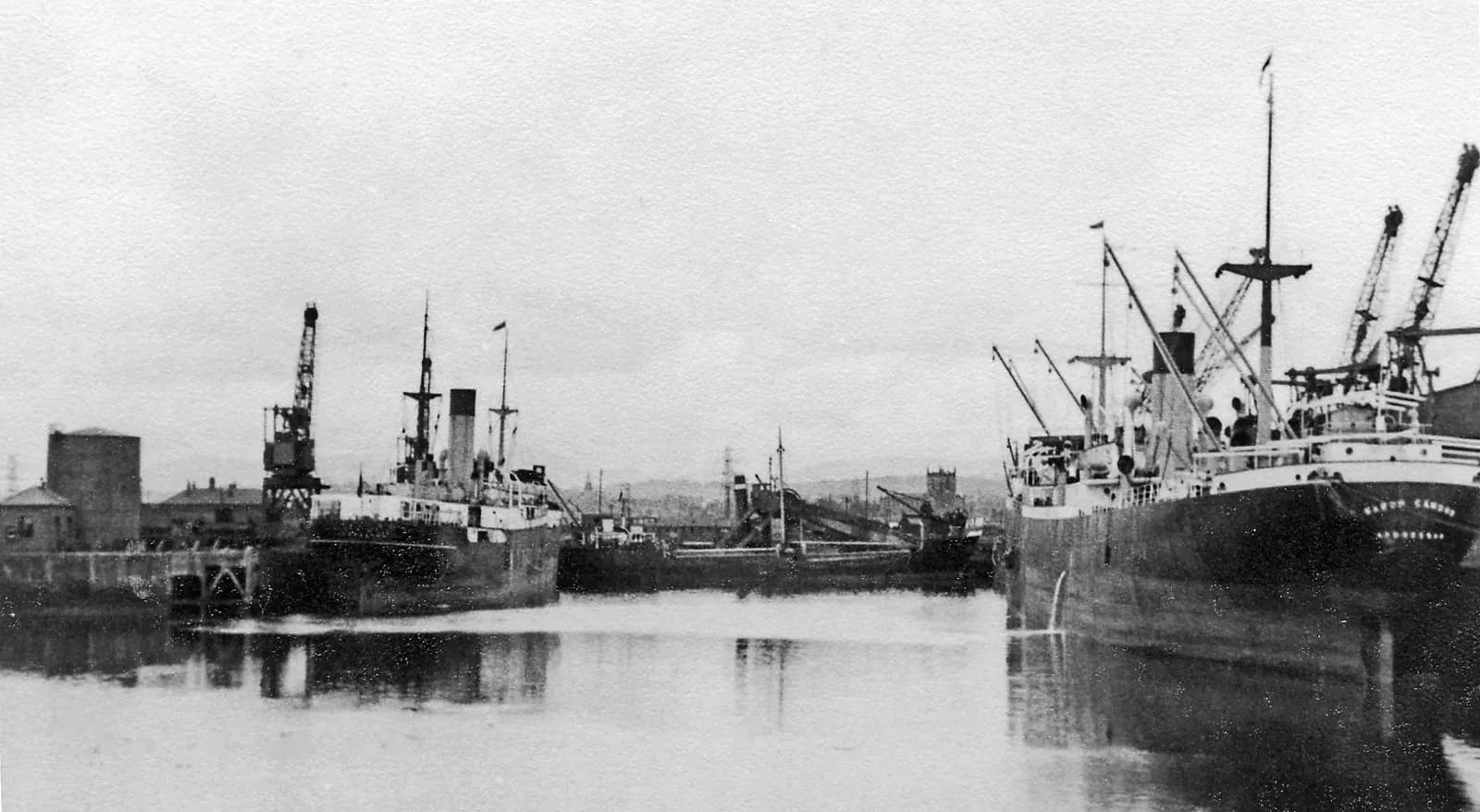
The harbour grew with the trade. Lonsdale Dock opened in 1865 and was renamed the Prince of Wales Dock in 1927.
Steel and rails
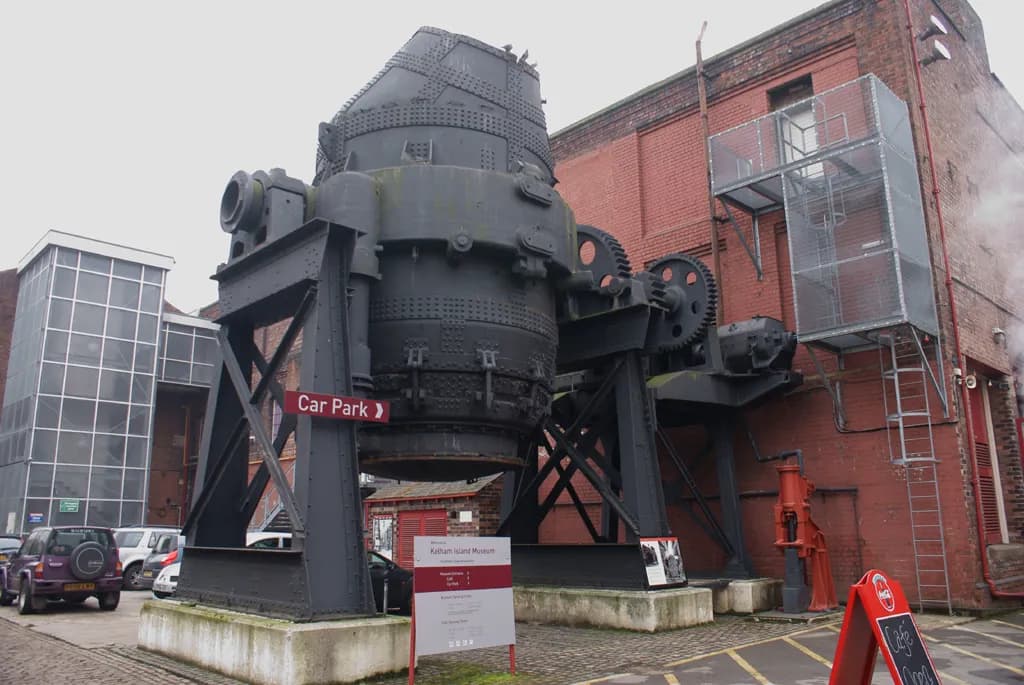
Steel changed the town again. The Moss Bay Haematite Iron and Steel Company was founded in 1871 and built two Bessemer converters the following year, using Henry Bessemer's method of making steel by blowing air through molten iron. Rolling mills followed in 1877. In 1883 Charles Cammell & Co moved its works from Dronfield in Derbyshire to Workington, and many of its workers moved north with it.
The Workington Iron and Steel Company was formed in 1909, and for most of the next century steel and Workington were hard to separate. The last Bessemer converter was blown out in 1974 and steelmaking ended in 1982. One of Workington's converters has stood at Kelham Island Museum in Sheffield since 1978.
Rails outlasted steelmaking. Workington went on rolling them until the summer of 2006, when production moved to Scunthorpe and about 250 jobs went.
The game that splits the town
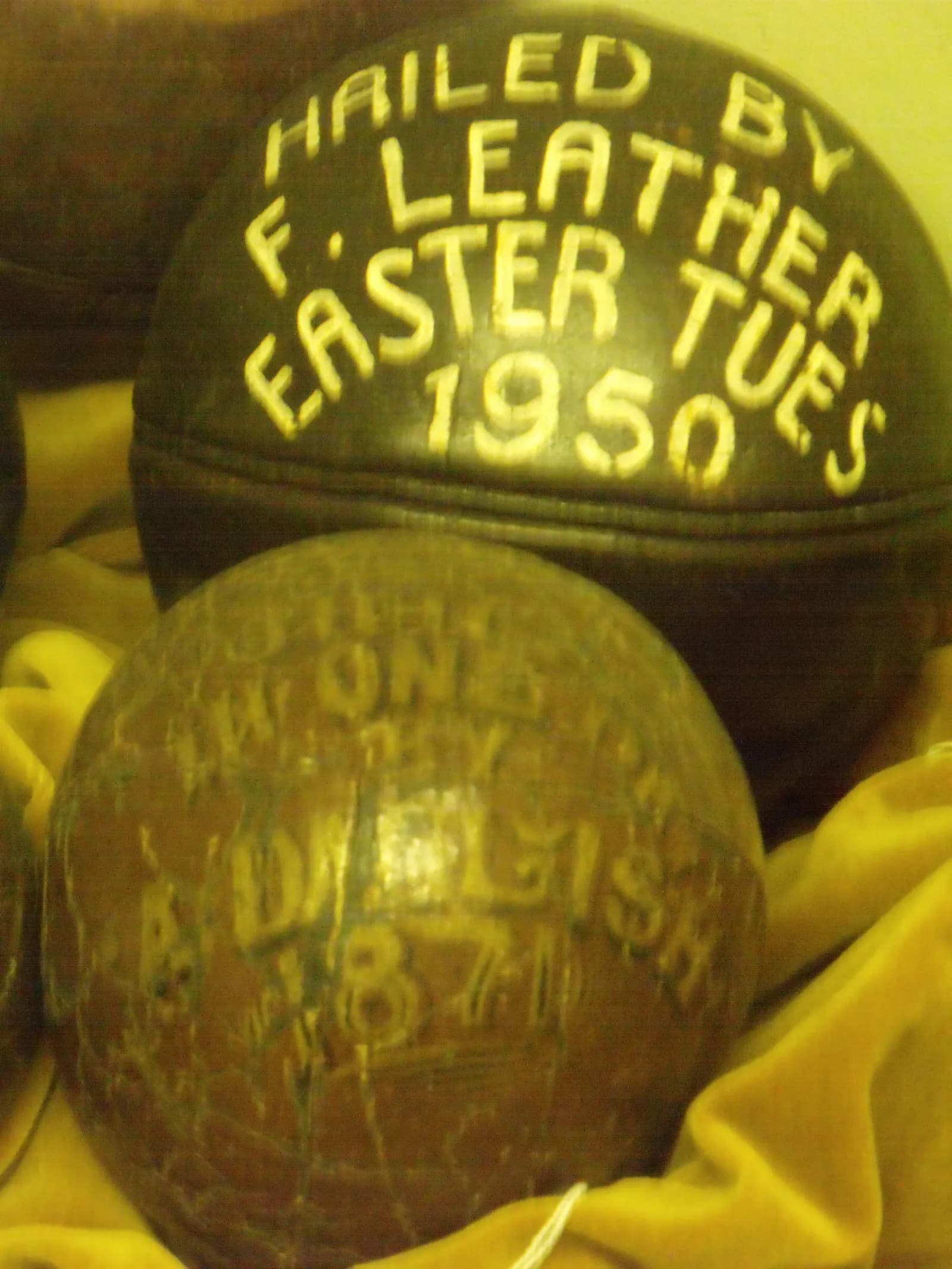
Some things haven't changed in generations. Every Easter, Workington plays Uppies and Downies, a ball game fought out across the town. The Uppies try to get the ball to the gates of the Workington Hall parklands; the Downies aim for a capstan at the Prince of Wales Dock. A goal is scored by "hailing" the ball, throwing it up three times. Games are played on Good Friday, Easter Tuesday and the following Saturday.
Plenty of people will tell you the game is medieval. The surviving evidence is younger: the earliest dated ball was hailed in 1871.
Workington today
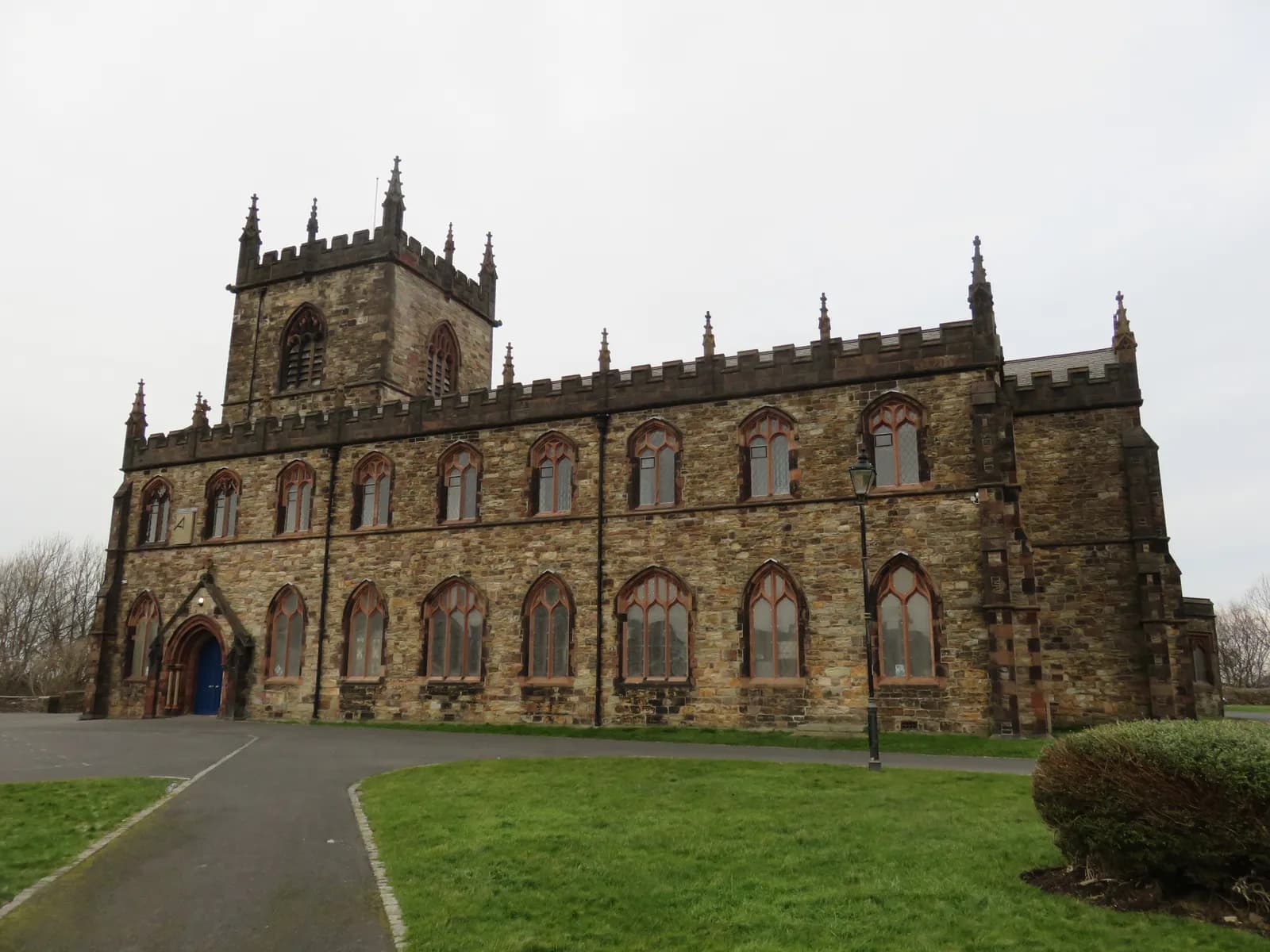
About 25,000 people live in Workington parish, according to the 2021 Census. Workington Town, Challenge Cup winners at Wembley in 1952, still play at Derwent Park, and Workington AFC, the Reds, were a Football League club from 1951 to 1977. The Helena Thompson Museum, in the house she left to the town, keeps the local story, and St Michael's Church, gutted by fire in 1994, was rededicated in 2001.
That's the long view. The next chapter belongs to the people who live here, and we'd love to hear yours: memories, old photographs, family stories from the works or the pits. Send them to us at magazine.ad/submit.
Sources: Cumbria County History Trust, Roman Inscriptions of Britain, the Gatehouse Gazetteer, Historic England, Sheffield Museums, Grace's Guide, the Northern Mine Research Society, Sotheby's and the 2021 Census. Images via Wikimedia Commons, credited individually.